Sterling Silver
Sterling silver naturally develops a deeper patina over time. Its surface changes with use, revealing variations in tone and character.

Sterling silver is a natural material with a surface that changes over time. On the Silver Table, the material takes the form of silver inlays in different sizes, arranged across the tabletop in a simple, graphic pattern that is not only decorative, but also indicates the placement and number of seats around the table.
Over time, the silver responds to its surroundings and develops a deeper, darker patina. Its color gradually changes, creating a natural connection to the warmer tones of the wood. The surface will also carry subtle traces of time and use, with its natural patination becoming part of the material’s character and evolution.
If desired, the silver can be polished to restore its lighter appearance. It is important to use only dry polishing cloths from Sterling Polish Company specifically made for silver. Polishing agents should be avoided, as they will damage the wood surrounding the silver inlays. If in doubt, please contact info@finnjuhl.com.
Sterling silver naturally develops a deeper patina over time. Its surface changes with use, revealing variations in tone and character.
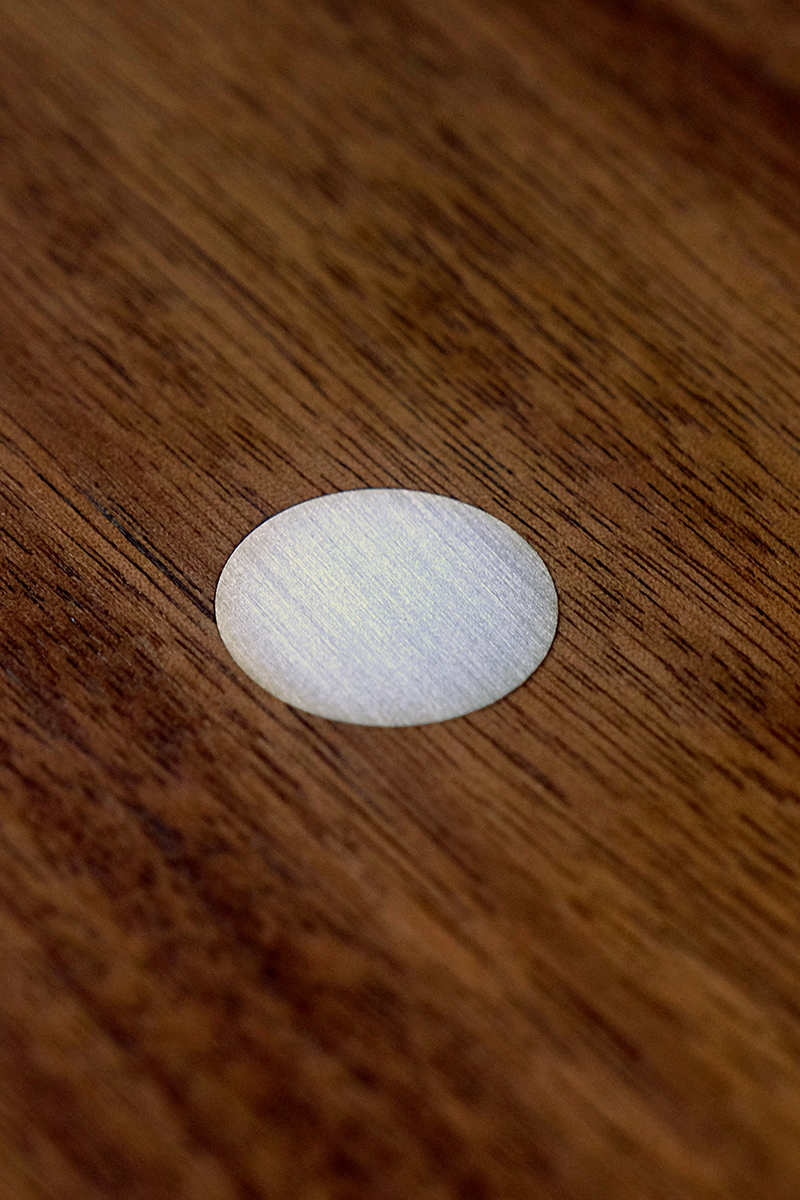
The Sterling silver inlays before patinating. The shiny look can be restored by using the wipes wipes from Sterling Polish Company that are specially made for silver. However, silver isn’t meant to remain stagnant and we recommend embracing the transformation to a darker hue.
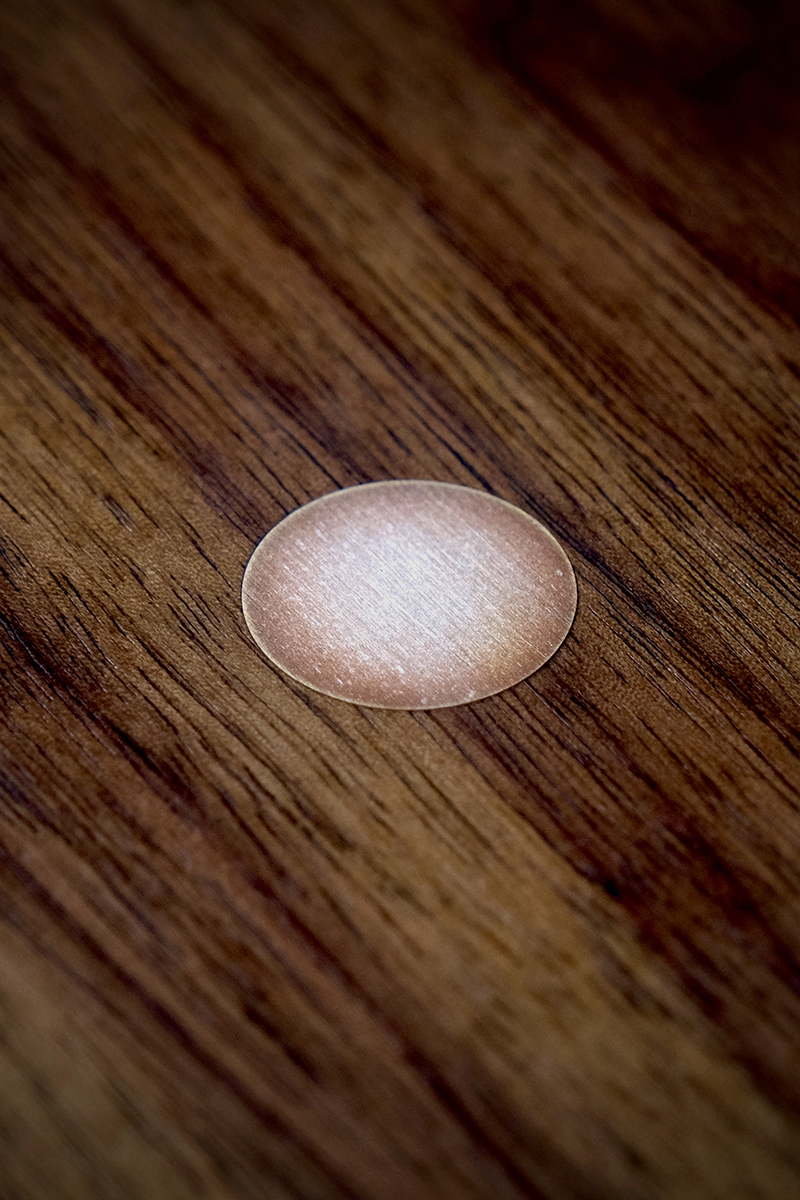
The Sterling silver inlays transformation into a brown, dark hue. It was this very aspect of natural materials that Finn Juhl admired – its ability to evolve, to gain a patina, and to capture the journey of its interaction